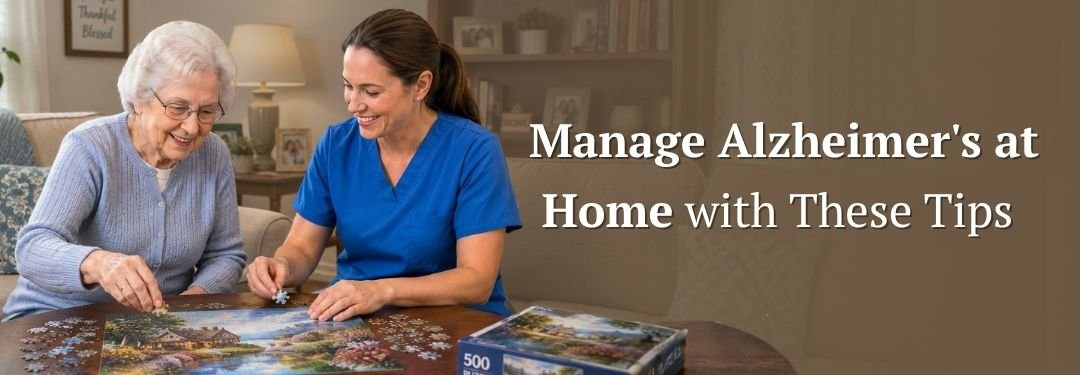
June marks Alzheimer’s and Brain Awareness Month, a crucial time to spotlight the millions affected by Alzheimer’s, dementia and other brain-related disorders. For many in Michigan, caring for a loved one with Alzheimer’s presents unique challenges, often requiring significant adjustments to daily life. Understanding the disease and accessing appropriate support is key to providing compassionate and effective care at home during Alzheimer’s and Brain Awareness Month and beyond.
This Alzheimer’s and Brain Awareness Month, we’ll explore practical home care tips designed to empower family caregivers. We’ll cover strategies for managing daily routines, creating a safe environment, and recognizing when professional in-home care can provide invaluable assistance. Our aim is to help families cope with dementia care challenges, boost brain health and improve quality of life.
Understanding the Impact of Alzheimer’s Disease on Families
Alzheimer’s disease is a progressive neurological disorder that causes the brain to shrink and brain cells to die, leading to memory loss and cognitive decline. It profoundly impacts not only the individual living with the condition but also their entire family system. Family caregivers often face emotional, physical, and financial burdens as they strive to provide the best possible care.
According to the Alzheimer’s Association, more than 6 million Americans are living with Alzheimer’s, a number projected to rise significantly in the coming years. This statistic underscores the widespread need for effective care strategies and robust support systems. Observing Alzheimer’s and Brain Awareness Month helps bring these critical issues to the forefront, encouraging dialogue and resource sharing.
Recognizing the Signs and Challenges
Early signs of Alzheimer’s, dementia or other brain disorders can often be subtle, including forgetfulness, difficulty planning, and changes in mood or personality. As the disease progresses, challenges can escalate to include problems with communication, disorientation, and behavioral changes. These can make even simple daily routines difficult to manage without assistance.
Practical Home Care Tips for Family Caregivers During Alzheimer’s and Brain Awareness Month
Providing care for a loved one with Alzheimer’s or any other brain disorder at home requires patience, creativity, and a structured approach. Here are some essential tips to help family caregivers navigate the journey effectively:
- Maintain a Consistent Daily Schedule: The National Institute on Aging (NIA) emphasizes the importance of maintaining consistent daily routines to help individuals with Alzheimer’s feel more secure and reduce agitation.
- Implement the MIND diet to support brain health: Encourage seniors to eat a diet rich in leafy vegetables, lean meat, berries, whole grains, and nuts.
- Simplify Communication: Use clear, direct language, speak slowly, and maintain eye contact. Break down tasks into smaller, manageable steps.
- Create a Safe Environment: Remove tripping hazards, install grab bars in bathrooms, and secure dangerous items. Consider door alarms to prevent wandering. This is a key focus during Alzheimer’s and Brain Awareness Month for prevention and safety.
- Encourage Engagement: Involve your loved one in meaningful activities that match their abilities, such as listening to music, looking at old photos, or simple household tasks.
- Prepare for Challenging Behaviors: Understand that behaviors like agitation or aggression are often symptoms of the disease. Respond with patience and try to identify triggers.
- Prioritize Caregiver Self-Care: Caregiver burnout is a real risk. Take breaks, seek support from family or friends, and consider professional respite care. Remember that taking care of yourself allows you to better care for your loved one, a message reinforced during Alzheimer’s and Brain Awareness Month.
A structured approach to personal care and daily activities can significantly improve the quality of life for individuals with Alzheimer’s and ease the burden on caregivers. Assured Home Nursing offers tailored services like companion care to help maintain a positive and engaging home environment.
When Professional Home Care Becomes Essential
While family care is invaluable, there often comes a point when the demands exceed what family members can safely or sustainably provide. Recognizing these signs is crucial for the well-being of both the individual with Alzheimer’s and their caregivers. Many family caregivers face significant emotional and financial strain, making professional assistance a vital resource, as highlighted by AARP.
Professional home care services, such as those provided by Assured Home Nursing in areas like Farmington Hills, offer specialized support for individuals with Alzheimer’s and dementia. Caregivers are trained to manage complex needs, administer medication, and provide consistent supervision, ensuring a safe and supportive living environment.
This Alzheimer’s and Brain Awareness Month, consider how professional care can enhance your loved one’s comfort and allow family caregivers to regain balance. Services range from hourly Alzheimer’s and Dementia Care to 24-hour home care, providing flexibility tailored to individual needs.
Don’t feel you have to navigate the journey of Alzheimer’s and brain health alone. Assured Home Nursing provides compassionate and personalized senior in-home care services throughout Michigan. We understand the unique challenges families face and are here to offer expert support. Families can request a free consultation to discuss their specific needs and learn how our dedicated caregivers can make a difference. Call us today at +1 (248)593-8134 or visit our contact page to learn more about our home care services.